To Get Your Accurate Measurements Before You Start Your Prep.
Click Below
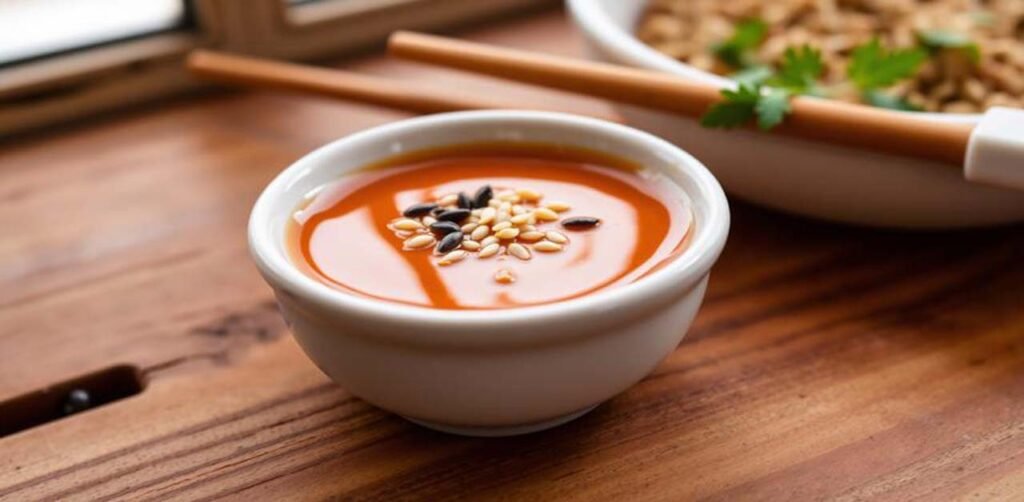
Are you tired of buying expensive, store-bought sauces that taste like plastic? If you want to level up your dinner game, you are in the right place. This sesame sauce recipe is the only one you will ever need. It is creamy, savory, and has that perfect hint of sweetness.
Moreover, it takes less than 5 minutes to whip up. Whether you are a beginner or a pro in the kitchen, this guide will help you create a restaurant-quality sauce right at home.
Why You Will Love This Sesame Sauce Recipe
Many people wonder why they should make sauce at home. First, it is much healthier. Second, you can control the salt and sugar. Most importantly, it tastes fresher than anything in a jar.
In addition to being delicious, this recipe is very versatile. You can use it for:
- Stir-fry noodles
- Chicken or Tofu dip
- Salad dressing
- Roasted vegetables
Homemade vs. Store-Bought: The Quick Comparison
| Feature | Store-Bought Sauce | Our Sesame Sauce Recipe |
| Preservatives | High | Zero |
| Flavor | Dull/Metallic | Fresh & Nutty |
| Cost | $5 – $7 per bottle | Less than $2 |
| Sugar Control | Usually very high | You decide! |
Ingredients You’ll Need

Using high-quality items is the real secret to a professional taste. Before you begin, check your kitchen for these basic staples to make your sesame sauce recipe truly shine. Freshness makes a world of difference!
- Soy Sauce: This provides the salty “umami” base. (Use Tamari for a gluten-free version).
- Toasted Sesame Oil: This is the star of the show. It gives the sauce a smoky, nutty smell.
- Rice Vinegar: This adds a little tang to balance the richness.
- Honey or Brown Sugar: Just enough to make it sweet.
- Freshly Minced Garlic and Ginger: These two ingredients are the secret to success. They give your sesame sauce recipe a sharp, punchy taste that makes every bite exciting. Consequently, your homemade sauce will have a much deeper flavor than anything you can buy in a store. More importantly, they bring a lively spark to the dish that you just can’t get from a jar or a powder.
- Sesame Seeds: For a nice crunch and look.
- Cornstarch (Optional): Only if you want a very thick sauce for stir-fry.
Step-by-Step Instructions

Making this sesame sauce recipe is as easy as 1-2-3. Follow these simple steps:
1. Prep Your Aromatics
First, peel your garlic and ginger. Grate them finely. Using fresh aromatics makes a huge difference compared to using powder.
2. Mix the Liquids
Grab a small mixing bowl and pour in your soy sauce, honey, rice vinegar, and that fragrant toasted sesame oil. Use a whisk to stir everything together until the mixture looks smooth and glossy.
Pro Tip: Whisking quickly helps the oil mix perfectly with the soy sauce.
3. Add the Finishing Touches
Stir in your grated garlic, ginger, and sesame seeds. Do you love spicy food? If so, just sprinkle in a pinch of red pepper flakes. This is a very easy way to give your sesame sauce recipe a nice little kick without making it too hot for everyone else.
4. Thickening (Optional)
If you want to use this for a stir-fry, mix 1 teaspoon of cornstarch with a little water. Add it to the sauce and heat it in a pan for 1 minute until it bubbles and thickens.
Seasonal Twists (Perfect for Your Blog!)

Since your niche is seasonal recipes, here is how you can change this sesame sauce recipe throughout the year:
- Spring (The Light Version): Add a squeeze of fresh lime juice and some chopped cilantro. It’s perfect for spring rolls!
- Summer (The Cold Version): Keep it thin and use it as a dressing for cold cucumber noodles. It is very refreshing on a hot July day.
- Fall (The Warm Version): Add a teaspoon of creamy peanut butter. This makes it rich and cozy for autumn grain bowls.
- Winter (The Spicy Version): Add extra ginger and a dash of Sriracha. This “heats” you up during the cold winter months.
Expert Tips for the Best Results
As a result of making this sauce many times, I have learned a few secrets:
- Don’t Burn the Oil: Never cook toasted sesame oil on high heat for too long, or it will taste bitter.
- Toasting Seeds: If your sesame seeds look white, toss them in a dry pan for 2 minutes until they turn golden brown.
- The “Rest” Period: If you have time, let the sauce sit for 15 minutes. This allows the garlic and ginger flavors to fully soak into the liquid.
How to Store Your Sauce

You can easily make a big batch of this sesame sauce recipe and save it for later.
- Fridge: To keep your sauce tasting its best, pour it into a glass mason jar with a tight lid. When tucked away in the refrigerator, it will stay fresh and flavorful for up to 14 days.
- Freezer: You can freeze this sauce in ice cube trays for up to 3 months. Just pop a cube into your pan whenever you are making a quick stir-fry!
Frequently Asked Questions (FAQs)
Is this sesame sauce recipe vegan?
Yes! Making this sesame sauce recipe vegan is a breeze! Simply use maple syrup or brown sugar instead of honey. This small change makes the entire recipe 100% vegan-friendly while keeping that delicious, sweet taste we all love.
Can I make it without rice vinegar?
If you find yourself without rice vinegar, you can substitute it with apple cider vinegar or white vinegar. While rice vinegar is slightly sweeter, these alternatives still keep the flavor of your sesame sauce recipe perfectly balanced. However, rice vinegar is milder and tastes most authentic.
My sauce tastes a bit too salty. How can I fix it?
Don’t worry! Simply add a little more honey or a tablespoon of water. This will balance the saltiness of the soy sauce.
What is the best soy sauce to use?
For the best flavor, look for “Low Sodium” soy sauce. It allows the nutty sesame flavor to shine without being too salty.
Final Thoughts
This sesame sauce recipe is a game-changer for anyone who loves Asian-inspired food. It is fast, cheap, and much better for your health than store-bought options. Plus, you can change it for every season!
Are you going to try this tonight? Leave a comment below and let me know if you used it for noodles, chicken, or veggies!